
What Areas of a Home Are Checked During a Termite Inspection in Sydney?
If you are booking a termite inspection in Sydney, you might be wondering what an inspector actually looks at and why it takes time. The short answer is: far more than just “the timber”.
A proper inspection is a methodical check of the whole property for live termites, past activity, damage, and the conditions that help termites thrive. It also considers access limits and risk points, so you get a realistic picture of what is happening and what to do next.
What does a termite inspection in Sydney actually involve?
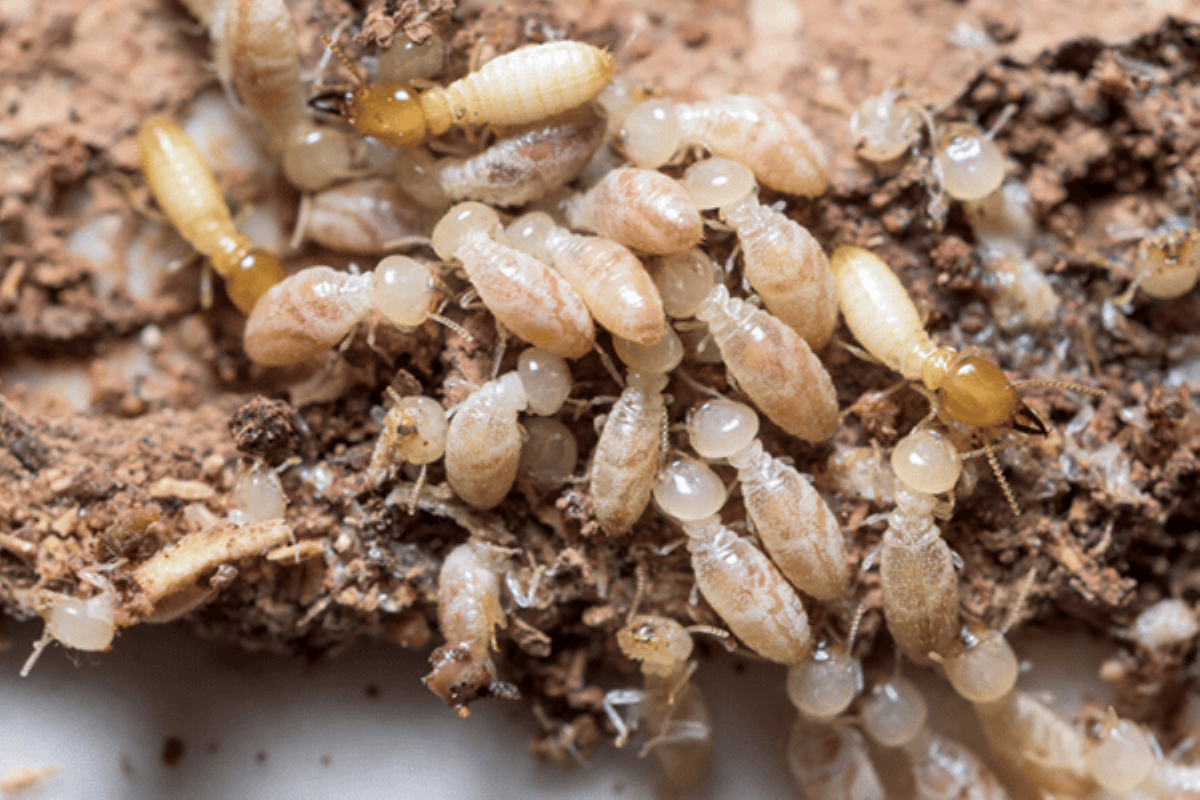
Termite inspections Sydney involve a room-by-room and exterior-to-interior assessment to identify evidence of termites and the conditions that attract them. Inspectors look for live activity, mud leads, hollow-sounding timber, moisture issues, and building defects that allow concealed entry.
In Sydney, where moisture and warm conditions can support termite activity for much of the year, termite inspections Sydney are not just about a simple “termite yes or no.” They provide a thorough risk assessment and a plan to reduce the chance of future attacks, helping protect your property long-term.
Why are subfloors and under house areas checked so carefully?
Subfloors are checked closely because they are dark, humid, and often full of concealed timber, making them prime termite territory. Inspectors look for mud shelter tubes on piers and walls, damaged bearers and joists, and signs of moisture that can support colonies.
If your home has a suspended timber floor, expect extra attention under the house. Limited clearance, stored items, or poor ventilation can raise risk, so the inspector may also note access issues and recommend improvements that reduce moisture and make future inspections easier.
Which interior rooms are inspected, and what are inspectors looking for?
Interior rooms are inspected for timber damage, subtle surface clues, and areas where termites can enter unseen. Inspectors commonly tap and probe skirtings, door frames, architraves, window frames, and other timber trims to detect hollowing or weakness.
They also look for visual indicators such as bubbling paint, fine cracks, rippled plasterboard, or pinhole marks, which can appear when termites feed behind a surface. Rooms with water use or humidity are assessed more closely because termites are strongly linked to moisture.
Are bathrooms and laundries a common focus during termite inspections?
Bathrooms and laundries receive extra attention because leaks and dampness create ideal termite conditions. Inspectors check around showers, baths, vanities, toilet bases, laundry tubs, and pipe penetrations for moisture staining, swelling, and potential concealed entry points.
They also assess ventilation and whether any water damage has affected nearby timber or wall linings. Even small plumbing leaks can support termite activity over time. If moisture readings are elevated, the report may recommend repairs before any treatment, because controlling moisture is key to long-term prevention.
What areas of the kitchen are checked for termite risk?
Kitchens are checked because they combine plumbing, cabinetry, and hidden voids where termites can travel without being seen. Inspectors examine kickboards, cupboard bases, sink cabinetry, dishwasher and fridge water connections, and timber trims for moisture damage and termite signs.
They may also scan nearby walls and floors for anomalies, especially where pipes enter the home. If you have an island unit or built-in pantry, those edges and junctions are often checked carefully. Any long-term leak can turn a kitchen into a high-risk zone.
Do garages and internal storage areas get inspected too?
Garages and internal storage areas are inspected because they often have concealed edges, stored timber, and less frequent cleaning, which can hide early signs. Inspectors check timber framing, door surrounds, internal walls, and any shared walls with the main house.
If cardboard boxes, timber offcuts, or old furniture are stored against walls, the inspector may ask to move items where possible. These areas can also reveal moisture ingress from external walls or slab edges. The goal is to identify both termite evidence and the conditions that make inspection and prevention harder.
What is checked in roof voids and ceiling spaces?
Roof voids are checked because termites can travel up wall cavities and enter the upper structure, particularly where there is moisture from roof leaks or condensation. Inspectors look at trusses, rafters, battens, and visible timber for damage, mudding, or unusual surface textures.
They also assess the roof space for leaks, poor ventilation, and plumbing or air conditioning lines that can create damp points. Access can be limited, so if entry is unsafe or blocked, it will be noted in the report. That matters because inaccessible roof voids can hide activity. For more information, refer to this guide on termites, their risks, and how to manage them in buildings.
Are wall cavities and hidden spaces inspected during a standard visit?
Wall cavities and hidden spaces are assessed indirectly during a standard inspection because they are not fully visible without invasive methods. Inspectors look for external and internal clues that suggest activity inside walls, such as mudding at edges, swelling, and moisture patterns.
They may use tools like moisture meters or thermal and movement detection equipment where appropriate, especially around known risk zones. If evidence suggests concealed activity, you may be advised to consider further investigation or targeted access. A good inspection explains the limits clearly rather than guessing.
Which external areas around the home are inspected first?
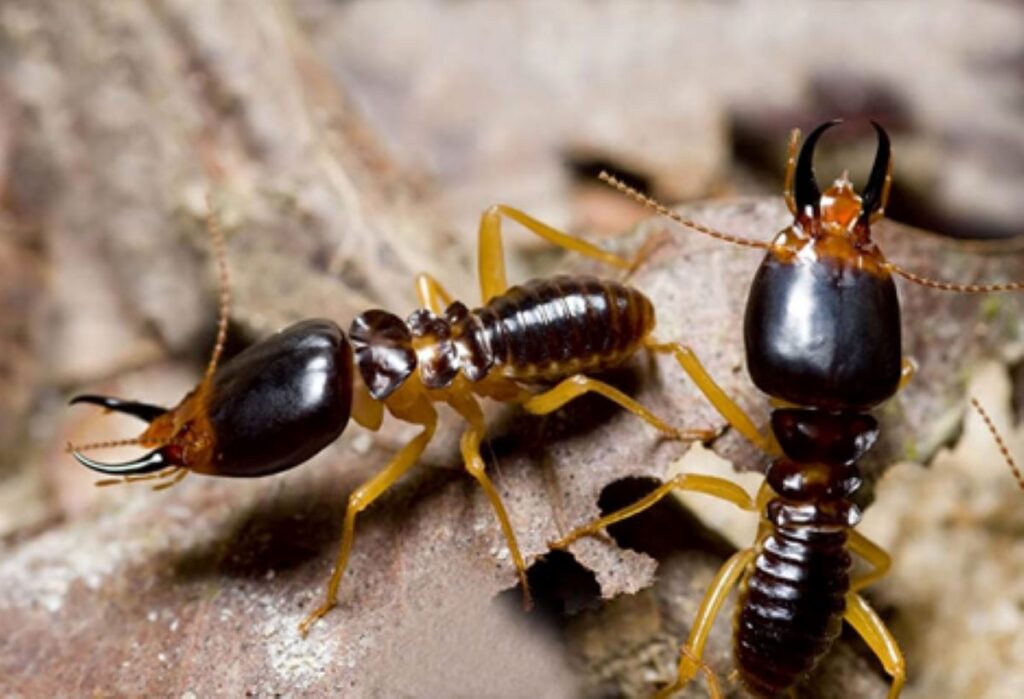
External areas are usually inspected early because they are common entry points and can reveal termite pathways. Inspectors check the perimeter, slab edges, weep holes, expansion joints, and any place where termites can bridge from soil to structure.
They also examine garden beds, stored timber, sleeper retaining walls, and tree stumps near the home. In Sydney, landscaping is a frequent contributor to risk, particularly when soil or mulch is built up against walls. The inspection aims to find both termite evidence and the environmental conditions that invite them in.
How are fences, decks, pergolas, and other timber structures assessed?
Timber structures outside the main house are checked because they can be attacked first and then act as a stepping stone to the home. Inspectors assess decks, stairs, pergolas, carports, and fences for damage, mud tubes, and timber in contact with soil.
They also look at how these structures connect to the house. For example, a deck ledger board fixed to the wall can create a concealed pathway if not properly protected. Any timber showing decay, constant dampness, or direct soil contact is treated as a higher priority risk point.
Do inspectors check gardens, trees, and outbuildings?
Gardens and outbuildings are checked because termites live in and around the soil and often feed on buried timber or dead roots. Inspectors examine tree stumps, old sleeper gardens, compost areas, and timber piles for signs of termite activity.
Sheds, granny flats, studios, and other structures on the property are also important, especially if they have timber framing or are close to the main dwelling. Even if an outbuilding is “separate”, it can still indicate local termite pressure. The inspection links these findings back to the risk level for your home.
What do inspectors look for at plumbing penetrations and service entry points?
Service entry points are checked because termites can use small gaps as concealed highways. Inspectors focus on where pipes, cables, and conduits pass through walls or slabs, and where sealants have cracked or gaps exist.
They also assess drainage issues, overflow points, and air conditioning lines that can drip and keep areas damp. In many Sydney homes, the combination of penetrations and moisture is what creates the easiest termite access. Sealing entry points is often part of a broader pest control treatment process after inspection.
How is moisture assessed during a termite inspection?
Moisture is assessed because termites depend on it, and many infestations are linked to leaks, poor drainage, or ventilation problems. Inspectors look for visible dampness and may take moisture readings in suspect areas such as bathrooms, kitchens, subfloors, and around external walls.
High moisture does not automatically mean termites are present, but it raises risk and can explain why an area is vulnerable. The report should clearly separate “evidence of termites” from “conditions conducive to termites”, so you know what needs fixing even if no live activity is found.
Do inspectors check for previous termite damage and old treatments?
Previous termite damage is checked because older activity can weaken structural timber and indicate repeat risk. Inspectors look for old mud tubes, repaired timber, replaced sections, and any signs that damage was cosmetically covered rather than properly addressed.
They also ask about prior termite treatments, barriers, or baiting systems and look for evidence of their presence and condition. If a system is installed, part of the inspection is assessing whether it is still effective and serviceable. This helps ensure any new plan is consistent with what already exists.
What tools are commonly used during a Sydney termite inspection?
Common tools include a torch, probing tool, sounding method (tapping), moisture meter, and inspection mirrors for tight spots. Some inspectors also use thermal imaging or other detection equipment to help assess suspicious areas without opening walls.
Tools support the inspection, but they do not replace experience and method. A thorough approach still relies on checking likely pathways, understanding building design, and recognising subtle indicators. If the inspector uses specialised tools, the results should be explained in plain language so you understand what was detected and what it means.
What areas are often missed because of access issues, and why does it matter?
Areas can be missed when access is unsafe, obstructed, or sealed, such as tight subfloors, cluttered garages, locked roof voids, heavily stored rooms, or walls covered by fixed cabinetry. Inspectors should document these limitations because termites thrive in concealed areas.
This matters because a “no visible activity” finding is only valid for the areas that were accessible. If access is limited, the report may recommend improving clearance, removing stored items, or scheduling a reinspection once access is possible. Good pest control standards include being transparent about what could not be checked.
How long should a termite inspection take, and what affects the timing?
A termite inspection can take from under an hour to several hours depending on property size, design, and accessibility. Larger homes, homes with subfloors and roof voids, and properties with extensive landscaping typically take longer.
Timing also depends on the amount of stored clutter, the number of outbuildings, and whether signs of activity require closer investigation. If you are also arranging a broader pest inspection, it can extend the visit. The key is thoroughness, not speed, because termite damage can be extensive before it becomes obvious.
What happens after the inspection if termites or high risk conditions are found?
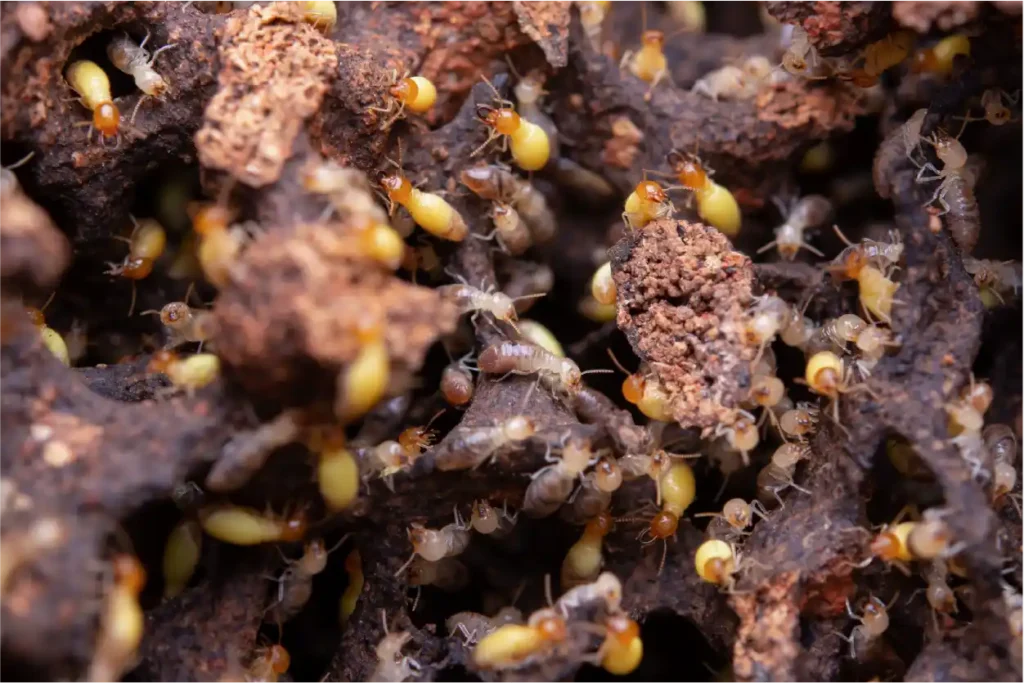
If termites are found, the next step is usually a customised treatment plan based on the species, location, and severity. Options may include targeted treatments, baiting systems, and recommendations to correct moisture or access issues that contributed to the problem.
If termites are not found but the risk is high, the focus shifts to prevention: sealing entry points, improving drainage and ventilation, removing timber contact with soil, and scheduling follow-up inspections. Many Sydney households choose eco-friendly, child and pet-friendly options where suitable, without compromising on effectiveness.
What should you do to prepare your home before the inspector arrives?
Preparation helps the inspector check more areas and deliver a more accurate result. Clear access to the subfloor hatch, manhole, garage walls, and the perimeter of the house where possible, and avoid stacking items against internal walls in key rooms.
If you have had leaks, renovations, or prior termite issues, share that information upfront. It saves time and improves accuracy. If you need flexible scheduling, some providers can accommodate urgent bookings, but the inspection still needs enough time to be done properly.
How can you use the inspection report to prevent future termite problems?
Use the report as a practical checklist, not just a document to file away. Address moisture issues first, then fix any building or landscaping factors that create concealed entry, such as soil levels bridging weep holes or timber in ground contact.
Follow the recommended inspection frequency and any follow-up actions, especially if access was limited. A consistent, timely approach is what keeps termite risk low over the long term. If you also use regular pest control services, align them with termite prevention so inspections, treatments, and property maintenance work together.
Related : Palm Tree Removal: Is it a DIY Job or Do You Need a Pro?