
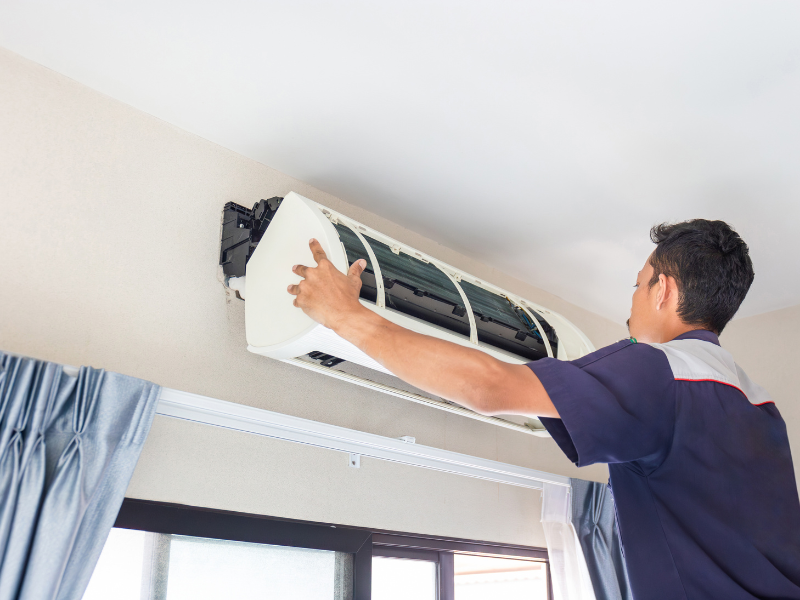
Commercial Air Conditioning Hornsby: What Businesses Should Consider
The considerations below help teams choose a system that fits their space, their operating hours, and their budget without locking them into expensive fixes later.
What does “commercial” air conditioning mean in Hornsby settings?
Commercial air conditioning typically means higher-capacity systems designed to run longer hours, serve multiple zones, and handle higher occupant loads than residential units. In Hornsby, it also means planning for mixed building types, from street-front retail to multi-level offices and light industrial spaces.
The right approach depends on how heat loads change through the day and how different rooms need different temperatures.
How should a business choose the right system type?
They should choose the system type based on zoning needs, ceiling space, and how often layouts change. Common options include split systems for small tenancies, ducted systems for whole-floor control, and VRF/VRV systems for multi-zone efficiency.
If their space has varied occupancy, multi-zone control usually reduces waste because only used areas are conditioned.
How important is correct sizing for performance and costs?
For commercial air conditioning hornsby, correct system sizing is a core performance driver, as improperly specified units can create operational inefficiencies across commercial environments. Oversized systems tend to short-cycle, leading to elevated energy consumption and poor humidity control, while undersized systems remain in continuous operation yet still fail to consistently achieve target temperature setpoints. A best-practice approach is to mandate a formal heat load calculation based on actual building dynamics and usage profiles, rather than relying on simplified square-metre estimations that do not reflect real-world commercial demand variability.
Sizing should consider glazing, insulation, equipment heat, occupancy peaks, and after-hours use.

What zoning and control features should businesses prioritise?
They should prioritise zoning, scheduling, and simple controls that staff will actually use. Good zoning avoids cooling empty meeting rooms while keeping customer-facing areas comfortable.
Useful features include programmable timers, occupancy-based control where suitable, and remote monitoring for multi-site operators. Clear permissions also help prevent constant setpoint changes that increase power bills.
What installation constraints matter most in Hornsby commercial buildings?
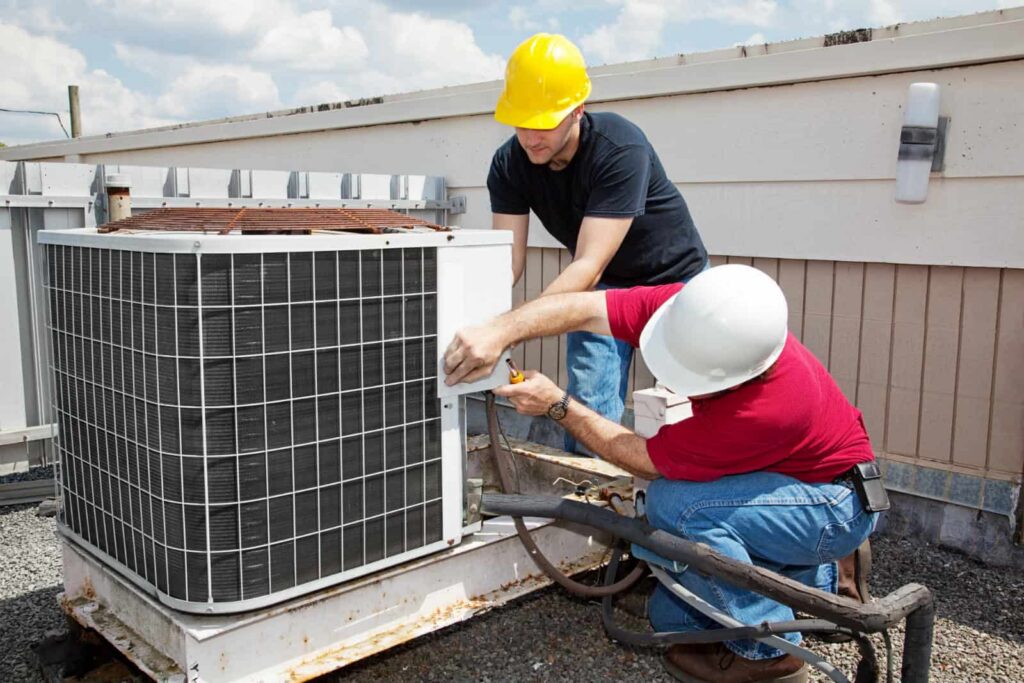
They should assess roof access, condenser placement, noise limits, drainage routes, and the ability to run ducting or pipework without compromising tenancy fit-outs. Heritage-style facades, strata rules, and tight plant areas can all affect what is feasible.
Early site checks reduce the risk of costly variations once works begin.
What energy efficiency factors should they check before buying?
They should compare efficiency ratings, part-load performance, and how the system behaves in real operating hours, not just peak specs. In many commercial spaces, the system spends most time at part load, where better controls and inverter technology can make a big difference.
They should also factor in insulation upgrades, shading, and air sealing because these reduce the required capacity and ongoing spend.
How do maintenance and servicing affect long-term reliability?
Maintenance is often the difference between a system that lasts and one that becomes a constant expense. They should plan scheduled servicing for filters, coils, drains, belts, and electrical checks, especially in dusty or high-traffic environments.
A service plan also helps identify refrigerant leaks, airflow issues, and failing components before they cause downtime during busy periods.
What indoor air quality considerations should commercial sites address?
They should consider filtration, ventilation, and humidity control alongside temperature. Poor air quality affects comfort and can increase complaints, especially in offices, gyms, clinics, and hospitality venues.
Higher-grade filters, fresh air integration where required, and clean ductwork matter. They should also ensure condensate drains are correctly installed to reduce odours and microbial growth risks.
How should businesses plan for future growth or tenancy changes?
They should plan for change by choosing systems that can expand, rezone, or adapt to layout updates. A fast-growing team, a new fit-out, or a change from office to retail can all alter heat loads and operating hours.
Modular systems, spare capacity in electrical provisions, and flexible zoning usually reduce the cost of future modifications.
What should they ask an installer or contractor before signing?
They should ask for a heat load calculation summary, a clear scope of works, commissioning details, and a maintenance plan. They should also confirm warranty terms, expected lead times, and how faults are handled during peak seasons.
A good proposal explains the “why” behind sizing and layout, not just the brand and model numbers.
What is the most practical checklist before deciding?
They should confirm the right capacity, the right zoning, and a realistic maintenance plan before focusing on brand preferences. If any of those are unclear, the project is not ready to proceed.
A practical checklist includes: site constraints, operating hours, occupancy peaks, noise requirements, energy targets, service access, control preferences, and future expansion plans.
FAQs (Frequently Asked Questions)
What defines commercial air conditioning in Hornsby compared to residential systems?
Commercial air conditioning in Hornsby refers to higher-capacity systems designed for longer operating hours, multiple zones, and higher occupant loads than residential units. It involves planning for diverse building types such as street-front retail, multi-level offices, and light industrial spaces, with considerations for varying heat loads and temperature needs throughout the day.
How can businesses select the right commercial air conditioning system type in Hornsby?
Businesses should choose a system based on zoning requirements, ceiling space availability, and frequency of layout changes. Common options include split systems for small tenancies, ducted systems for whole-floor control, and VRF/VRV systems for efficient multi-zone management. Multi-zone control helps reduce energy waste by conditioning only occupied areas.
Why is correct sizing crucial for commercial air conditioning performance and cost-effectiveness?
Proper sizing ensures optimal operation; oversized units cycle inefficiently, wasting power and struggling with dehumidification, while undersized units run continuously without reaching set temperatures. Accurate heat load calculations must consider factors like glazing, insulation, equipment heat output, occupancy peaks, and after-hours use to avoid costly inefficiencies.
What zoning and control features should be prioritized for Hornsby commercial air conditioning systems?
Effective zoning should focus on conditioning only actively occupied areas to eliminate energy waste from cooling unused zones. In parallel, control systems need to be practical and adoption-friendly to ensure staff actually use them as intended.
Key features to prioritise include programmable scheduling, occupancy-based automation where applicable, and centralised visibility across sites. For multi-tenancy or multi-site environments, advanced commercial HVAC zoning and control system solutions enable remote monitoring, granular permission settings, and performance optimisation—driving both comfort consistency and operational cost efficiency.
What installation constraints are common in Hornsby commercial buildings affecting air conditioning choices?
Commercial installations in Hornsby often face structural and regulatory constraints that directly influence system selection and design. Common limitations include restricted roof access, challenges in condenser placement, noise compliance requirements, and complex drainage routing.
Additionally, integrating ductwork or refrigerant piping without disrupting existing tenancy fit-outs can be a significant constraint. Heritage-listed facades, strata by-laws, and limited plant room capacity further narrow viable system configurations. Engaging in commercial air conditioning site assessment and feasibility planning early in the project lifecycle helps identify these constraints upfront and mitigates the risk of costly redesigns or installation delays.
How do maintenance and servicing impact the long-term reliability of commercial air conditioning in Hornsby?
Regular maintenance is vital for extending system lifespan and minimizing unexpected expenses. Scheduled servicing of filters, coils, drains, belts, and electrical components—especially in dusty or high-traffic environments—helps identify issues like refrigerant leaks or airflow problems early. A proactive service plan reduces downtime during critical business periods.