Palm Tree Removal: Is it a DIY Job or Do You Need a Pro?
Palm tree removal is one of the more complex landscaping tasks property owners face. These iconic trees—while beautiful—can become problematic when they grow too large, develop structural issues, or no longer fit your property plans. The question isn’t whether removal is necessary, but rather who should handle it.
The choice between DIY palm tree removal and professional palm tree removal carries significant weight. This decision affects your safety, legal standing, property value, and wallet. Get it wrong, and you risk serious injury, property damage, or legal penalties.
Property owners typically consider removal in several situations:
- Structural hazards: Trees leaning dangerously or showing signs of instability
- Health concerns: Dead, diseased, or pest-infested palms threatening nearby vegetation. In fact, dead trees can pose serious dangers, making professional intervention crucial.
- Storm damage: Palms with broken fronds or compromised trunks after severe weather
- Landscape redesign: Property renovations requiring tree removal for construction or aesthetic changes
- Proximity issues: Palms growing too close to buildings, power lines, or underground utilities
Each scenario presents unique challenges that determine whether you can tackle the job yourself or need expert help. Understanding these distinctions before picking up a chainsaw could save you from costly mistakes—or worse. For example, pruning dead branches and treating diseases can sometimes be a viable alternative to removal.
What Are the Key Safety and Practical Challenges in Palm Tree Removal?
Palm tree removal presents serious palm tree safety risks that distinguish it from removing other tree species. The combination of extreme height, unpredictable weight distribution, and structural instability creates hazardous conditions even for experienced workers.
Falling Fronds and Unstable Trunks
Dead or dying palm fronds can weigh between 10-50 kilograms each, transforming them into dangerous projectiles when they fall. These fronds often detach without warning, especially during windy conditions or when the tree is disturbed during removal. The trunk itself poses an even greater threat—unlike hardwood trees with solid cores, palm trunks consist of fibrous material that can split or collapse unexpectedly. This structural weakness means a palm tree might appear stable but suddenly buckle under its own weight during cutting, potentially falling in an unintended direction.
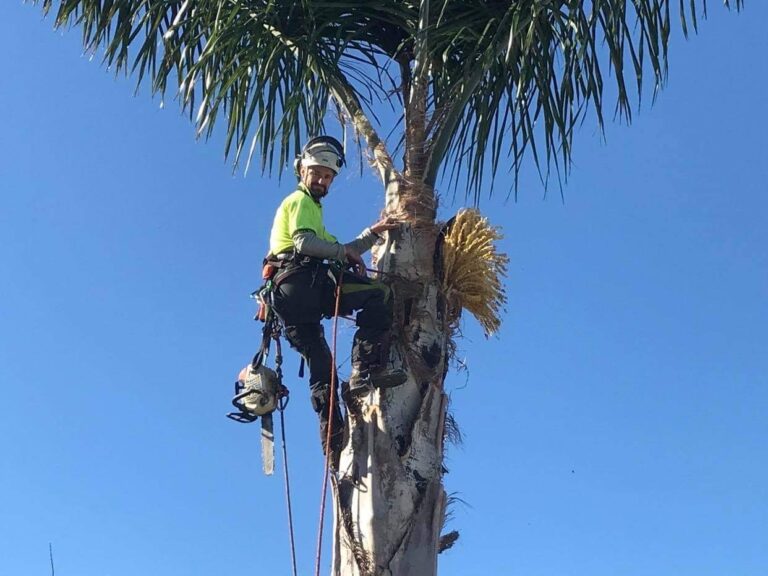
Palm tree height hazards escalate dramatically with taller specimens. A 15-meter palm creates a fall zone that can damage structures, vehicles, or landscaping within a wide radius. Workers operating at height face risks from:
- Loss of balance on the smooth, cylindrical trunk surface
- Equipment failure or improper rigging
- Sudden shifts in the tree’s center of gravity
- Contact with overhead power lines
Complex Root Systems and Fibrous Structure
Palm trees develop dense, fibrous root balls that extend horizontally rather than deep into the ground. This shallow but extensive root network makes extraction physically demanding and time-consuming. The roots interweave with surrounding soil, irrigation systems, and nearby plantings, requiring careful excavation to avoid collateral damage.
The trunk’s fibrous composition creates additional palm tree removal challenges. Standard chainsaws struggle to cut cleanly through the stringy material, often binding or overheating. The lack of growth rings means the trunk doesn’t section predictably—cuts can close up, trap blades, or cause the trunk to tear rather than separate cleanly.
Specialized Equipment Requirements
Professional removal demands equipment beyond basic landscaping tools:
- Bucket trucks or cranes for accessing tall palms safely
- Heavy-duty chainsaws with specialized chains designed for fibrous material
- Rigging systems including pulleys and ropes to control falling sections
What Are the Legal Considerations When Removing Palm Trees?
Most local councils require palm tree removal permits before you can legally cut down live or tall palms on your property. The approval process exists to protect significant trees, maintain urban canopy coverage, and preserve trees with heritage or environmental value.
Do All Palm Removals Need Council Approval?
Permit requirements typically depend on the palm’s height, trunk diameter, and whether it’s alive or dead. Trees exceeding certain thresholds—often 3-5 meters in height or specific trunk circumferences—usually trigger council regulations on trees that mandate formal applications. Dead or dying palms may have streamlined approval processes, though you’ll still need to provide evidence of the tree’s condition through photographs or arborist reports.
What Factors Influence Permit Approval?
Legal requirements for tree removal consider multiple criteria:
- Tree size and maturity: Larger, older palms face stricter scrutiny
- Protected species status: Some palm varieties receive special protection under local environmental laws
- Location significance: Palms in heritage areas or conservation zones require additional documentation
- Visual amenity value: Councils assess whether removal impacts neighborhood character
- Proximity to infrastructure: Trees near power lines or public utilities may have different approval pathways
Applications often require detailed site plans, photographs from multiple angles, and justification for removal. Processing times range from two weeks to several months depending on complexity.
What Rights Do Property Owners Have Regarding Boundary Trees?
You can legally trim overhanging fronds or roots that cross onto your property up to the boundary line without requiring neighbor permission. This right comes with important restrictions:
- Trimming must not compromise the palm’s structural integrity or health
- You cannot enter neighboring property to perform work
- Cut material technically belongs to the tree owner
- Damage caused by improper trimming may result in legal liability
Shared boundary palms—those with trunks straddling property lines—require mutual agreement between both owners before removal. Disputes over such trees often need mediation or legal resolution.
What Happens If You Remove a Palm Without Approval?
Unauthorized removal can trigger substantial penalties. Councils may issue fines ranging from hundreds to tens of thousands of dollars depending on the tree’s significance.
Can Small Palm Trees Be Removed Safely as a DIY Project?
Yes, small palm trees under 2 meters tall can be removed by homeowners with the right tools and preparation. DIY small palm tree removal becomes feasible when dealing with young or dwarf varieties that haven’t developed extensive root systems or heavy trunks.
When Does DIY Palm Removal Make Sense?
Homeowner tree maintenance of small palms works best in specific scenarios:
- Newly planted palms less than 12 months old with shallow root systems
- Dwarf palm varieties like pygmy date palms or Mediterranean fan palms under 1.5 meters
- Palms with clear access away from structures, power lines, or neighboring properties
- Healthy, upright trees without signs of disease or structural instability
Property owners with basic landscaping experience and physical capability can tackle these smaller specimens without professional intervention.
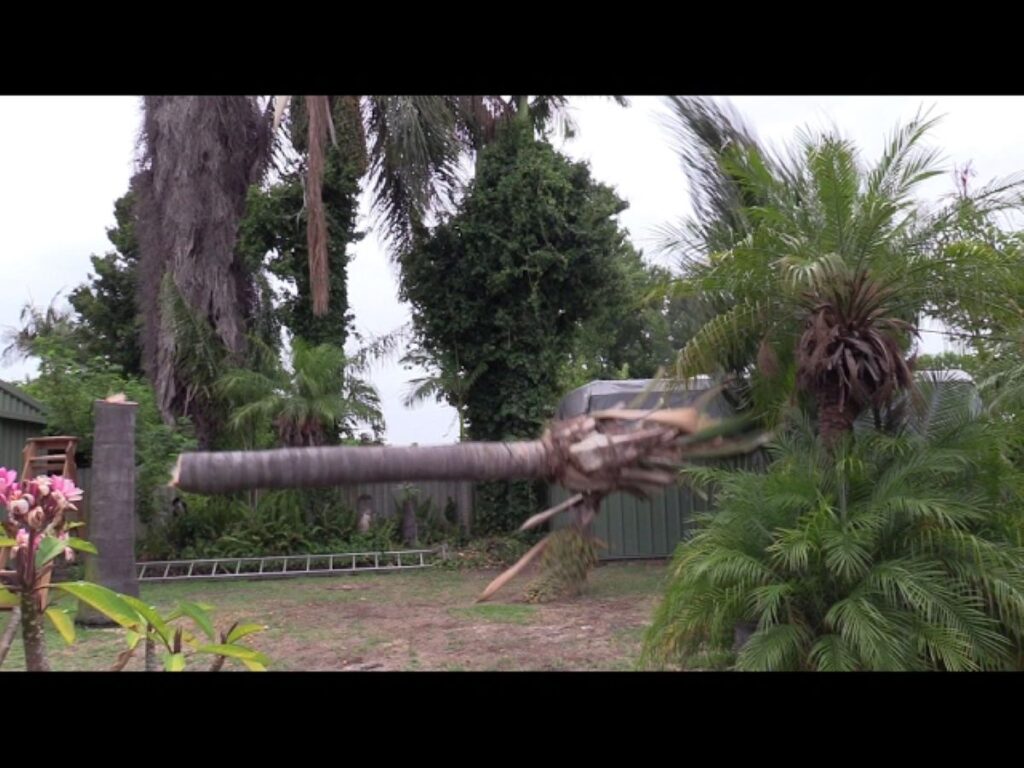
What Safety Gear and Planning Does DIY Require?
Safe palm pruning techniques demand proper protective equipment before starting any removal work. Essential safety gear includes:
- Heavy-duty work gloves to protect against sharp fronds and fibrous material
- Safety goggles or face shields preventing debris from entering eyes
- Long-sleeved shirts and pants covering exposed skin
- Steel-toed boots providing foot protection from falling material
- Hard hat when working near overhead fronds
Planning the removal sequence prevents accidents. Identify the direction of fall, clear the surrounding area of obstacles, and ensure children and pets remain at a safe distance. Have a spotter present to monitor the work and alert you to hazards.
What Tools Are Necessary for Small Palm Removal?
The right equipment makes DIY small palm tree removal manageable:
- Sharp pruning saw or chainsaw for cutting through fibrous trunks
- Shovel and mattock to expose and sever root systems
- Pry bar or crowbar for leveraging the root ball free
- Wheelbarrow for transporting debris
- Tarpaulin to collect and contain waste material
Renting specialized tools like a stump grinder may be cost-effective for complete removal rather than purchasing equipment for a single job.
Why Is Professional Palm Tree Removal Recommended for Most Cases?
1. Thorough Site Assessments
Certified professionals conduct thorough site assessments before any cutting begins, identifying potential hazards like overhead power lines, underground utilities, nearby structures, and the tree’s natural lean. This risk evaluation prevents accidents that could result in serious injury, property damage, or even fatalities.
2. Understanding Palm Anatomy
These specialists understand palm anatomy—the fibrous trunk structure, the weight distribution of the crown, and how palms respond differently than hardwood trees during removal. They know precisely where to make cuts to control the direction of falling sections and can predict how the tree will behave as it comes down.
3. Specialized Equipment for Challenging Removals
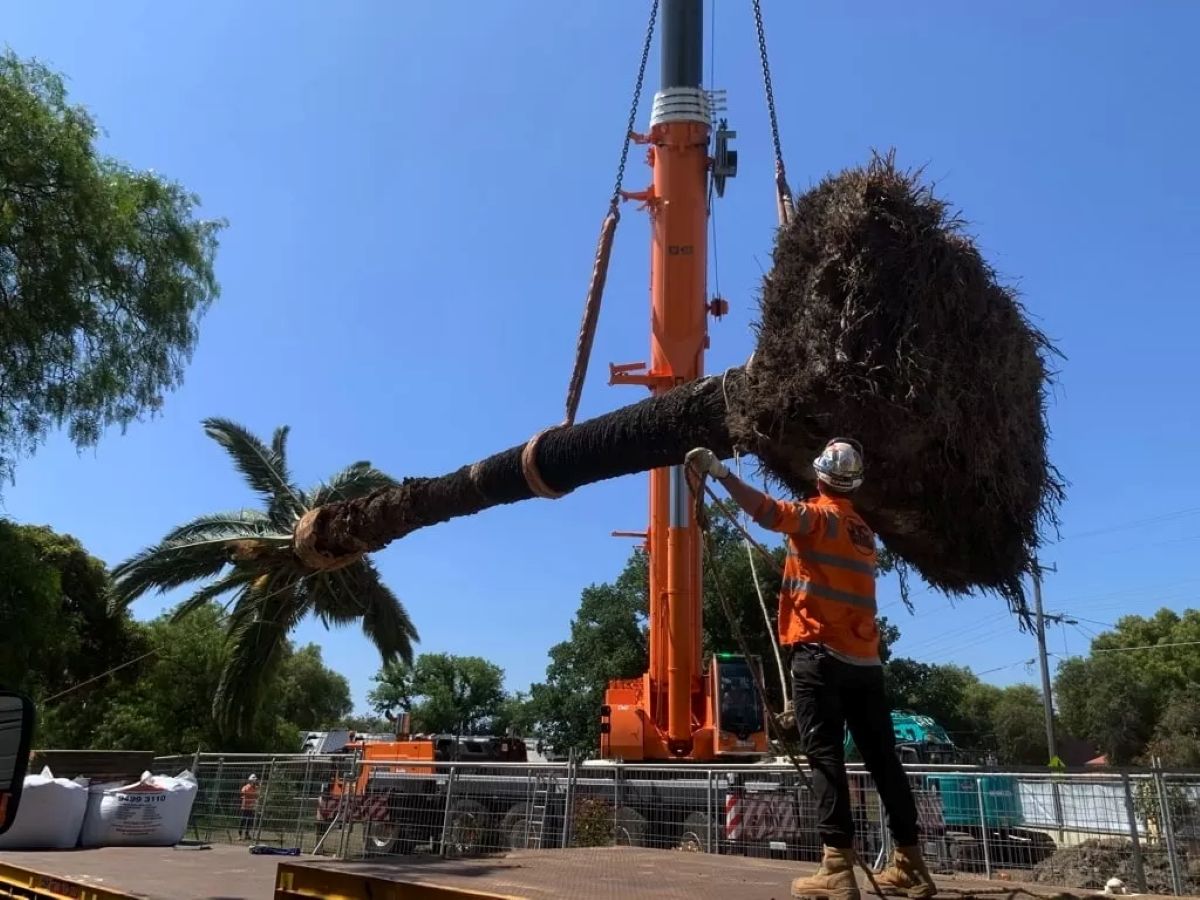
The equipment arsenal available to professionals makes seemingly impossible removals routine. Cranes lift heavy palm sections vertically away from buildings and gardens, eliminating the risk of crushing valuable landscaping or damaging roofs. Specialized rigging systems using ropes and pulleys allow controlled lowering of trunk sections in tight spaces where machinery cannot access. Stump grinders—powerful machines with rotating carbide teeth—reduce stumps to wood chips below ground level, something hand tools simply cannot achieve efficiently.
4. Comprehensive Insurance Coverage
Safe palm tree removal services carry comprehensive insurance coverage protecting property owners from liability. If a professional’s equipment malfunctions or an unexpected accident occurs, their insurance handles the costs. DIY removers bear full financial responsibility for any damage to their property, neighbors’ homes, vehicles, or injuries to bystanders.
5. Property Protection Measures
Professionals use protective measures like ground mats to prevent lawn damage from heavy equipment, strategic placement of drop zones for debris, and careful planning to avoid flower beds, fences, and outdoor structures. A falling palm trunk weighing several hundred kilograms can destroy paving, crush garden features, or crack concrete—damage that far exceeds the cost of professional removal.
6. Time Efficiency
Time efficiency matters when a dangerous palm threatens property or blocks construction projects. Professional crews complete removals in hours rather than the days or weeks a DIY approach might require. They arrive with complete teams, all necessary equipment, and the experience to work quickly without compromising safety. The removal includes cleanup services, with many companies chipping waste into mulch or hauling debris away, leaving the
When Should Property Owners Consider Removing a Palm Tree?
Property owners should remove a palm tree when it shows clear signs for palm tree removal such as dangerous structural issues or health decline. Immediate action becomes necessary when safety risks emerge or landscape plans change.
Structural Hazards Requiring Urgent Attention
A palm tree leaning more than 15 degrees from vertical indicates compromised stability and root failure. The trunk may be weakening internally even if the exterior appears intact. Damaged fronds hanging precariously overhead create falling hazards, particularly during storms or high winds. Root damage from construction, disease, or soil erosion undermines the tree’s anchor system, making collapse increasingly likely.
Critical warning signs include:
- Visible cracks or splits in the trunk
- Exposed or severed roots around the base
- Sudden tilting after storms or heavy rain
- Large dead fronds lodged in the canopy
Recognizing Dead and Declining Palms
Unhealthy palm indicators manifest through distinct visual changes that signal the tree’s deteriorating condition. A completely brown or gray crown with no green fronds means the palm has died and poses significant risk. Palms showing progressive browning from the bottom upward, combined with stunted new growth, are experiencing fatal decline.
Fungal infections create visible shelf-like growths on the trunk or soft, spongy areas that compress under pressure. These infections weaken the structural integrity from within. Pest infestations, particularly from palm weevils or borers, leave telltale holes in the trunk and sawdust-like frass around the base. The tree becomes a breeding ground for insects that may spread to healthy palms nearby.
Planned Removals for Property Development
Landscape change reasons often drive palm removal decisions unrelated to tree health. Property renovations requiring foundation work, pool installation, or building extensions may necessitate removing palms in the construction zone. Root systems extending 10-15 meters from the trunk can interfere with underground utilities, septic systems, or irrigation lines.
Aesthetic redesigns shifting from tropical themes to native gardens justify removal when palms no longer suit the intended landscape character. Property owners converting outdoor spaces for different purposes—such as creating play areas, installing solar panels, or expanding parking—may also need to consider palm removal as part of their plans.
How Much Does Professional Palm Tree Removal Typically Cost?
What is the typical price range for professional palm tree removal in Australia?
Professional tree service pricing for palm removal typically ranges from AUD 500 to over AUD 2,500. Small palms under 5 meters may cost between $500-$800, while medium-sized specimens (5-10 meters) generally fall in the $800-$1,500 range. Large palms exceeding 10 meters or those with complex removal requirements can easily surpass $2,000.
The cost factors in tree removal depend heavily on the palm’s height and trunk diameter. A 15-meter Canary Island Date Palm requires significantly more labor, equipment, and time than a 3-meter pygmy date palm. Professionals must often dismantle tall palms in sections using specialized rigging equipment, which increases both time and expense.
Other Resources : What Areas of a Home Are Checked During a Termite Inspection in Sydney?
What additional expenses should property owners budget for?
Palm tree removal cost Australia calculations should include several supplementary charges beyond the base removal fee:
- Permit fees: Council permits typically cost $50-$300 depending on your local government area. It’s essential to understand local tree removal permits and regulations to avoid unexpected costs.
- Stump grinding services: Complete stump removal adds $150-$500 to the total bill.
- Root excavation: Extensive root system removal may cost an additional $200-$600
- Waste disposal: Off-site green waste removal can add $100-$300 if not included in the quote
Some arborists include basic cleanup and mulching in their standard pricing, while others charge separately for these services. Always request a detailed breakdown to understand exactly what your quote covers.
How do site conditions affect the final cost?
Accessibility plays a crucial role in determining professional tree service pricing. Palms located in easily accessible front yards with clear pathways cost significantly less than those in tight backyards requiring equipment to be carried through narrow side passages. Properties with limited crane access may require manual rigging techniques, increasing labor hours and costs by 30-50%.
Proximity to structures, power lines, or neighboring properties creates additional complexity. Arborists must work more carefully around these hazards, often requiring:
- Precision cutting to avoid damage to nearby buildings
- Specialized rigging systems for controlled lowering of branches or trunks
- Coordination with utility companies for safe clearance of power lines
Should They Do It Themselves or Hire a Pro? A Final Thought on Palm Tree Management Advice
Is DIY palm removal worth the risk for most property owners?
No, the risks far outweigh any potential savings for most palm tree removals. Large palms present serious hazards including falling fronds weighing up to 50kg, unstable trunks that can collapse unpredictably, and complex root systems requiring specialized extraction techniques. Property owners face potential injury, property damage, and legal liability when attempting removal without proper training.
What makes professional removal the safer choice?
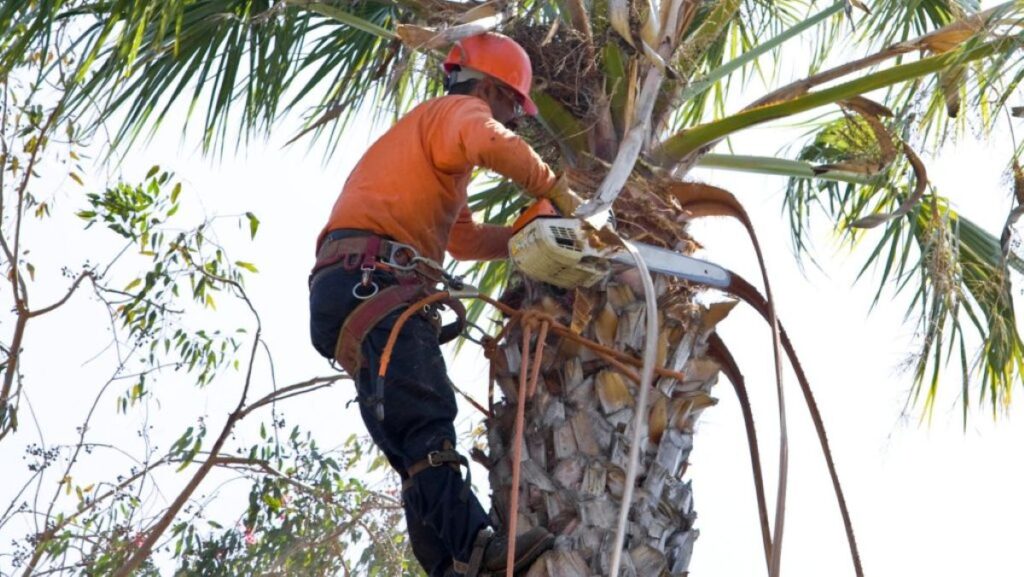
Licensed arborists bring critical expertise that DIY approaches cannot match. Professionals conduct thorough risk assessments before beginning work, use specialized equipment like cranes and rigging systems, and follow strict safety protocols to protect both workers and property. Their insurance coverage shields property owners from liability if accidents occur during removal.
How do legal requirements influence the DIY vs professional palm removal decision?
Council permit requirements make professional help nearly essential for tall or protected palms. Arborists understand local regulations, handle permit applications correctly, and ensure compliance with tree protection laws. Attempting DIY removal without required permits can result in fines exceeding $5,000 in many Australian councils.
When might DIY removal be acceptable?
Small palms under 2 meters with minimal root spread may suit experienced DIYers who own proper safety equipment. Even these situations demand:
- Chainsaw safety certification and protective gear
- Clear escape routes planned before cutting
- Helper assistance for controlled lowering of sections
- Stump removal tools or acceptance of grinding costs later
What safe palm tree management advice applies to all property owners?
Regular professional inspections identify problems before emergency removal becomes necessary. Certified arborists spot early warning signs like root damage, pest infestations, or structural weakness that property owners often miss. Scheduling preventive maintenance costs less than emergency removal services.
Should property owners consult experts before deciding?
Always request professional assessments for palms over 3 meters tall or located near structures, power lines, or property boundaries. Free quotes from multiple licensed tree services provide cost comparisons while revealing potential complications that make DIY attempts dangerous.
Related : The Hidden Benefits of Professional Tree Pruning for Tree Health